


 Sign out

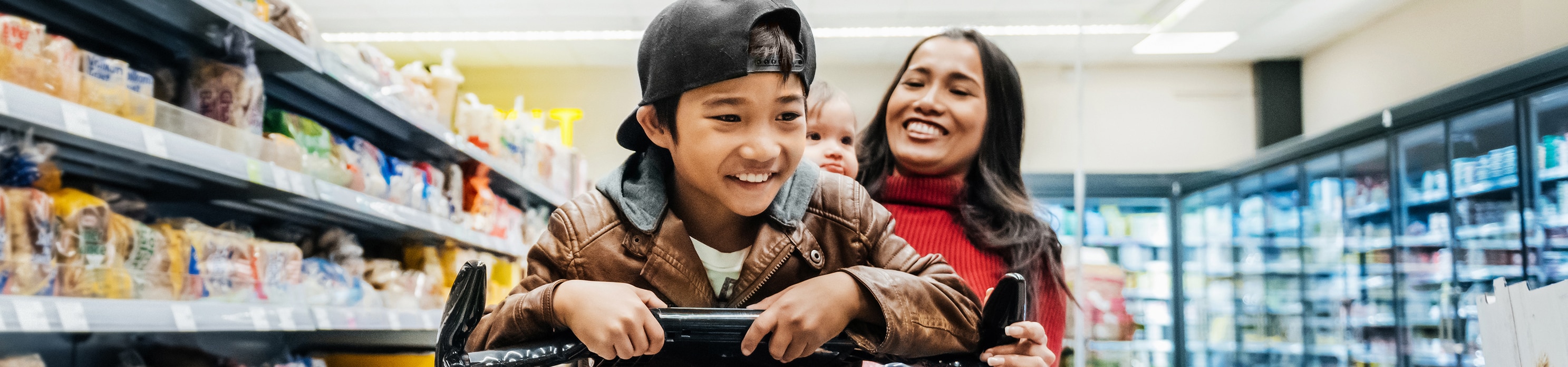
Are burgers and fries regulars in your rotation? Do sugary energy drinks and packaged snacks often show up on your shopping list? If so, what’s in your grocery cart — and on your plate — could be raising your cholesterol. High cholesterol is a common issue, even in children, and can lead to serious health problems over time.
Fortunately, you don’t have to give up your favorite foods forever. With a few heart-healthy food swaps and a low-cholesterol shopping list, managing your cholesterol can be easier — without sacrificing taste.
What is cholesterol?
Cholesterol is a type of fat in your blood. Your body needs it to build cells, make hormones and vitamins, and help digest food. What you eat and how active you are can change your cholesterol levels. Too much of certain kinds of cholesterol can raise your risk of a heart attack or stroke.
- Low-density lipoproteins (LDL): This is often called bad cholesterol. High levels can cause a sticky buildup in your arteries, called plaque, and reduce blood flow.
- Triglycerides: This is the most common type of fat in your blood. If you eat more than your body needs right away, it stores the extra calories as triglycerides to use later. High levels of triglycerides can increase your risk of heart disease.
- High-density lipoproteins (HDL): This is known as good cholesterol because it helps remove LDL and triglycerides from your blood.
You won’t have any symptoms if you have high cholesterol, and it can run in families. That’s why it’s important to have your blood tested during regular checkups.
When your cholesterol is too high
A heart-healthy lifestyle is the best way to keep cholesterol levels in a good range. This includes exercising regularly, not smoking, and eating well. If your LDL or triglyceride levels are high, talk with your doctor about the best way to lower them.
Heart-healthy eating tips to lower cholesterol
Eating habits play a big role in managing LDL cholesterol levels, but you don’t have to avoid everything to eat well. There are still many foods to enjoy as part of a healthy way of eating. That said, some are more likely to raise LDL because they’re high in saturated fats. To support healthy cholesterol levels, try cutting back on:
- Butter, cream cheese, and other foods high in saturated fats
- Ultra-processed foods like chips, crackers, and fried snacks
- Red meat and processed meats, such as sausage, bacon, salami, and other deli meats
- Whole-fat dairy products, such as whole milk, full-fat yogurt, or full-fat cottage cheese
- Muffins, pastries, cookies, and other rich baked goods
Remember: When you buy packaged foods, check the nutrition label. Look for low amounts of saturated fat. If it has any trans fat, skip it.
This list may sound like you have to cut out all the good stuff, but small changes can really add up. Even reducing less-healthy foods some of the time can make a big difference. Moderation is key, and it helps to focus on what you can enjoy. You may be surprised at the wide range of delicious heart-healthy foods and recipes to explore.
Cholesterol-friendly food swaps
Small changes to your diet can go a long way to lowering your cholesterol. Start by planning your meals for the week ahead, then take a fresh look around your neighborhood grocery store. While you’re there, shop for these healthy food swaps.
Breakfast
- Try oatmeal topped with berries and almonds instead of a blueberry muffin. Oats and fruit add fiber, and nuts contain good fats that can lower LDL levels.
- Scramble egg whites with flavorful veggies like onions, peppers, and tomatoes instead of frying eggs. Add a little of your favorite hot sauce to spice it up.
Lunch
- Opt for high-fiber, whole-wheat bread and a hummus spread instead of white bread and mayonnaise on your turkey club.
- Enjoy a flavor-packed grain bowl with colorful vegetables, plant-based proteins, and healthy sauces instead of a salad loaded with cheese, deli meats, and heavy dressing. Check out these cooking videos for recipe ideas.
Dinner
- Add fish to your menu twice a week instead of red meat or processed deli meats. Salmon, trout, sardines, and mackerel are rich in omega-3 fats that can help raise good cholesterol. It’s also versatile enough to make delicious meals like fish tacos and salmon burgers.
- Rub pieces of chicken with bold spices and cook them in an air fryer for a crispy texture instead of frying the chicken.
Snacks
- Try air-popped popcorn and cocoa-dusted almonds instead of potato chips and chocolate bars. Your salty cravings and sweet tooth will be satisfied, and the rest of your body will be happy, too.
Your low-cholesterol grocery shopping plan
A good low-cholesterol grocery list focuses on whole, less-processed foods like fruits, vegetables, whole grains, and lean proteins. It also limits saturated and trans fats.
Cholesterol-friendly grocery list
Use this quick guide when you shop:
- Produce: Leafy greens, berries, avocados, citrus fruits, sweet potatoes
- ·Grains: Steel-cut oats, barley, quinoa, whole-wheat pasta
- Proteins: Salmon, tuna, skinless poultry, tofu, and legumes and beans, such as black beans, lentils, and chickpeas
- Healthy fats: Olive oil, avocado oil, flaxseeds, chia seeds
Remember the 5-4-3-2-1 grocery shopping rule
The 5-4-3-2-1 rule is a simple guide to help balance your shopping cart: Buy 5 types of vegetables, 4 types of fruit, 3 carbohydrate sources (like whole grains), 2 protein sources, and 1 fat source. This method helps limit processed foods and keeps your shopping list varied and nutritious.
Want more tips?
These small changes can go a long way toward keeping your body healthy. Learn more about how to make healthy eating habits an everyday part of your life.