


 Sign out

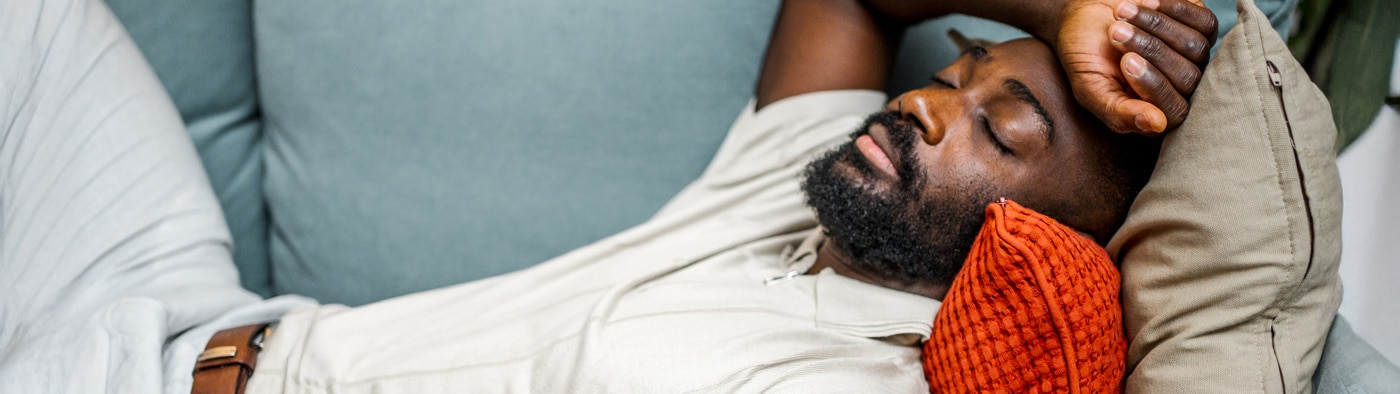
Sleep is the ultimate self-care act. It lets your mind and body relax, heal, and recharge. Most adults need 7 to 8 hours of sleep each night for good health.1 But what happens when you don’t get enough and hit that midday slump? Enter the nap.
Are naps healthy?
It depends. Naps probably aren’t a good idea if you have trouble falling or staying asleep at night. But if you’re tired because you don’t have enough time to sleep at night, naps are a good way to help you catch up during the day.
In fact, short naps (30 minutes or less) can support your mental and physical health. For example, they can help sharpen memory, lift mood, and increase alertness.2 And one study showed people who took short naps often had better cardiovascular health markers than those who didn’t nap at all.3
Other benefits of napping4
- Less stress and anxiety
- Better focus
- More stable mood and energy
- Improved productivity
Curious if a quick snooze could be your secret productivity hack? Dennis Hwang, MD, medical director at Kaiser Permanente’s Sleep Center in San Bernardino County, California, shares tips on when to try napping or other relaxation techniques.
How to take a nap
Before drifting off to dreamland, there are a few important things to consider.
- Know if napping is right for you — “Every person is different,” explains Dr. Hwang. “If someone finds that the occasional nap helps them feel better, then napping might work for that person. But if someone has a sleep disorder like insomnia, I advise they try to avoid naps so they can sleep better at night.”
- Create a calm space — Just as you might prepare for better sleep at night, you can try the same habits for a midday nap. A cooler room can help you fall asleep. Blackout curtains or a sleep mask can block light. Soft, soothing music or white noise can help you relax. There are also many calming techniques and guided activities you can try for a better nap.
- Set an alarm — “To avoid entering a deep sleep, set an alarm for 20 minutes. However, up to 30 minutes is fine,” says Dr. Hwang.
How long should I nap?
A nap doesn’t have to be long to help. In fact, short naps are better. The best duration for a nap is about 20 to 30 minutes. That’s enough time for your brain to recharge without slipping into deep sleep. If you nap too long, you might wake up feeling groggy instead of refreshed.
Longer naps of 60 to 90 minutes can be useful if you’re recovering from illness, high stress, or several nights of poor sleep. But taking long naps regularly may interfere with nighttime sleep and could signal an underlying problem.
When is the best time for a nap?
Timing matters. If you nap too late in the day, you could struggle to fall asleep at night. The sweet spot is usually halfway through your day. If you wake up at 6 a.m. and plan to go to bed at 10 p.m., your halfway point is 2 p.m.
“Because of our circadian rhythms, our brain naturally has a dip in energy and performance around 2 to 3 p.m.,” says Dr. Hwang. “So, this is a good time for a short nap, if you need one.”
If this time falls during your work hours, you may want to plan your breaks so you can fit in a quick refresh.
Is it normal to need a nap every day?
It depends on your lifestyle, stress levels, and how active you are during the day. Occasional naps are healthy and can boost mood, sharpen focus, and give you energy. But if you can’t get through the day without one, it’s worth looking at your sleep habits.
If you’re constantly tired, consider these questions:
- Are you getting enough sleep at night?
- Do you drink caffeine late in the day?
- Is stress keeping you awake?
- Are you on your phone or computer before bed?
- Do you snore heavily or wake up gasping?
These could be signs of poor sleep quality, insomnia, or sleep apnea, when breathing stops for short periods during sleep. In these cases, napping may help you get through the day, but it won’t fix the cause of your tiredness. It might be worth it to talk to your doctor about ways to improve your nighttime sleep.
Naps across cultures: From siestas to coffee naps
People have always found ways to sneak a little more sleep into their day. The Spanish siesta is a midafternoon nap to escape the heat of the day. The Japanese inemuri is a quick nap inserted in a busy schedule.
“Taking midafternoon breaks or naps is common in many cultures — including Spanish, Middle Eastern, and Asian cultures,” explains Dr. Hwang. “But it also depends on your day-to-day life. Cultural traditions, individual sleep habits, or work schedules can vary person to person.”
Looking for a modern twist? Try catching some daytime z’s with a “coffee nap,” or “nappuccino.” You start by drinking a caffeinated drink like coffee, then take a 20-minute nap. The caffeine will take effect in about 20 to 30 minutes, so when you wake up, you’ll have extra energy.5
According to Dr. Hwang, a coffee nap could make sense for shift workers who need an extra burst of energy. But he warns that the caffeine can last in your system for up to 12 hours. Be careful not to let too much coffee disrupt your regular sleep schedule.
Other relaxation techniques
A nap may not always be possible during your workday. Fortunately, just taking a short mental break can help your mind and body recharge. You don’t always need a nap to feel better. Here are some simple ideas to try.
- Mindfulness and meditation: Just 10 minutes of deep breathing can help calm your mind.
- Self-care apps: These tools can help with sleep, stress, focus, and more.
- Music breaks: Listening to calming music can relax your brain and mimic the benefits of a nap.
- Movement: A short walk or gentle stretch can wake up your body and clear your head. Even standing up for a few minutes can help.
“There are benefits to all relaxation practices,” Dr. Hwang says. “You just need to find what works for you.”