


 Sign out

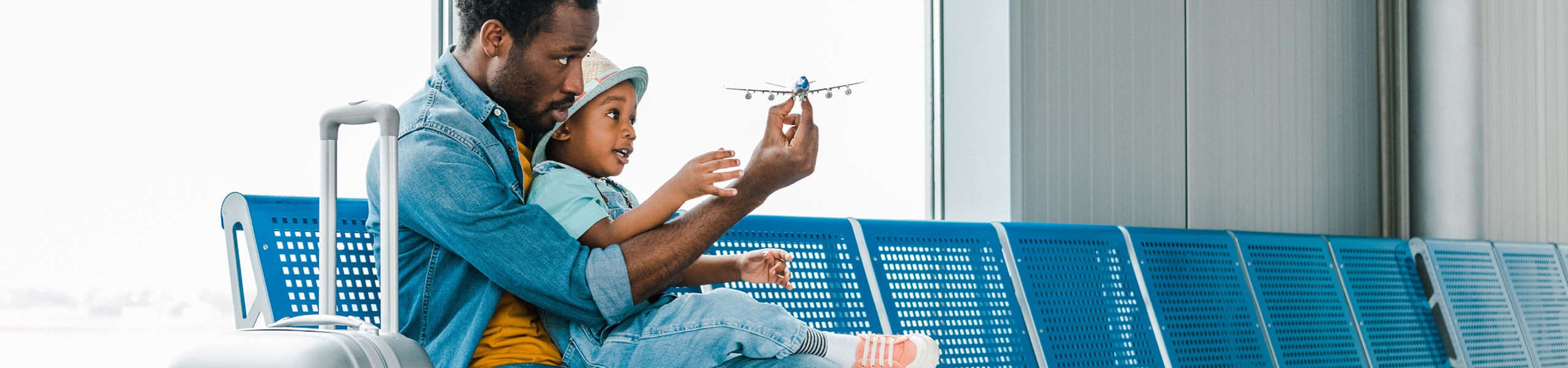
Whether you’re taking a road trip or flying across the globe, travel can be exciting — but it can also be stressful. Crowded airports, health concerns, and restless children are just a few things that can make any trip less relaxing.
If even the thought of a getaway makes you anxious, you’re not alone. As many as 1 in 3 Americans are afraid of flying.* Add long lines, delays, and packing mishaps, and anxiety can build fast.
“Traveling can be fun but also stressful,” says Kaiser Permanente marriage and family therapist Anabel Basulto. “You have to plan where you’re going, pack, ask for permission from work — and if you’re going to a new country or new language, there’s a new culture. All of those things are added stressors.”
The good news? There are plenty of ways to manage travel anxiety and enjoy the journey.
What is travel anxiety?
Travel anxiety is stress that comes with planning or taking a trip. It can show up in your body as a racing heart, sweaty palms, or nausea. It can also affect your mind, making you irritable, worried, or thinking “what if” over and over. Even experienced travelers can feel this way.
Why do people get anxiety when traveling?
There are a lot of reasons for trip anxiety. Common causes include:
- Fear of the unknown, like new places or languages
- Worries about flight delays, lost bags, or tight schedules
- Stress over money
- Pressure to have a “perfect” vacation
- Safety concerns
- Family or relationship stress
These triggers can pile up and make trips feel overwhelming before they even start.
3 tips to manage travel anxiety
Travel anxiety is common, but it doesn’t have to ruin your trip. Try these tips to feel calmer and more in control.
Get organized
Planning ahead can help ease travel anxiety that may arise as your departure date gets closer.
- Make lists: Start with a packing list for clothes and toiletries, plus a general to-do list and budget. These steps can reduce pretravel anxiety that may arise as your departure date gets closer.
- Do your research: Learn about where you’re going. Pack for all kinds of local weather. Visit cdc.gov/travel to check on travel health notices and recommended vaccinations. Watch videos by other travelers to get a sense of your destination. If you’re traveling to another country, learn where your country’s embassy is located so you’ll know where to seek support in the event of an emergency.
- Pack self-care essentials: Remember to pack any items you’ll need to help you feel your best, both physically and mentally. This includes everything from prescriptions to health aids like essential oils. Download self-care apps for techniques you can use on the go to lower stress and ease anxiety. Pack a cozy blanket or neck pillow in your carry-on to be comfortable on the flight. “Temperatures in planes fluctuate, and that may add to your anxiety if you’re not prepared,” says Basulto.
- Print your itinerary: If you lost your phone, what would you do? It’s a good idea to print info like flight numbers, hotel confirmations, and important phone numbers and addresses — just in case. Sharing your itinerary with a trusted person can give you peace of mind. Knowing that someone is aware of your plans can be reassuring if you run into unexpected changes or delays.
Practice self-care
With so many travel details to work out, it’s easy to forget to take care of yourself. Be sure to get a good night’s sleep before your trip. Eat well and drink plenty of water the day before. Avoid alcohol, sugar, and caffeine if you can. Try to pack healthy snacks, too. Solid foods — like carrots, dried fruits, and granola — are usually allowed through airport security. Or if you’re taking a road trip, fill a cooler.
Self-care also means managing stress. Fortunately, there are plenty of quick ways to relax anytime, anywhere:
- Breathe: “Breathing exercises can be helpful in calming the nervous system and allowing for a more relaxed state,” Basulto explains. One easy option is a 4-4-4 technique: Breathe in for 4 counts, hold your breath for 4, and breathe out for 4. Or try inhaling while saying “I am” and then exhaling with a positive statement like “at peace.” Repeat as often as needed.
- Visualize: Imagine a place where you feel safe, comfortable, and at peace. Think about the details of that place and let yourself go there in your mind.
- Distract yourself: For some people, music and movies offer a distraction. Others find comfort in quiet activities, such as books and puzzles. (Consider downloading them to your electronic device in case inflight internet isn’t working.) Meditation is also a great way to spend down time and cope with travel anxiety.
Enjoy the ride
Travel can be full of surprises — some good, some not-so-good. Try to be flexible and go with the flow. There are many wellness resources to help lift your mood and stay positive, plus strategies to help make the best of any situation.
Things aren’t going as you planned? Try something new. The change of pace can challenge you in a different, healthy way. So, if your tropical beach vacation gets rained out, maybe visit a local museum or try salsa dancing instead.
If you’re feeling anxious in a new environment, try embracing what’s right in front of you. “Immerse yourself in learning about a new language, or new foods, or meeting new people,” says Basulto. “Most importantly, see it for what it is: an adventure in trying something new and getting out of your comfort zone.”
Prepare for a healthy trip
Health issues can pop up when you’re away from home, so plan ahead. Know how to get care while you’re traveling if you need it. A little preparation can help you feel confident and focus on enjoying your trip.