Overview
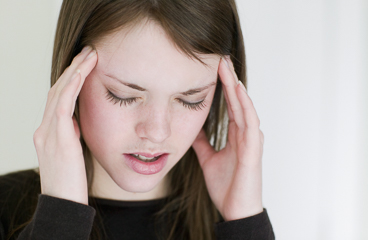
Common causes of head or face pain are allergies, stress, and injuries. Other causes include tooth problems and sinus infections. Eating certain foods, such as chocolate or cheese, or drinking certain liquids, such as cola, can cause head pain for some children.
If your child has mild head pain, your child may not need treatment. It is important to watch your child's symptoms and talk to your doctor if the pain continues or gets worse.
Follow-up care is a key part of your child's treatment and safety. Be sure to make and go to all appointments, and contact your doctor if your child is having problems. It's also a good idea to know your child's test results and keep a list of the medicines your child takes.
How can you care for your child at home?
- Be safe with medicines. Read and follow all instructions on the label.
- If your child is not taking a prescription pain medicine, ask your doctor if your child can take an over-the-counter pain medicine.
- If the doctor gave your child a prescription medicine for pain, give it as prescribed.
- Do not give aspirin to children and teens. It has been linked to Reye syndrome, a rare but serious illness.
- Store your child’s prescription pain medicines where no one else can get to them. When you are done using them, dispose of them quickly and safely. Your local pharmacy or hospital may have a drop-off site.
- Have your child take it easy for the next few days or longer if your child is not feeling well.
- Use a warm, moist towel to relax tight muscles in your child's shoulder and neck. Gently massage your child's neck and shoulders.
- Put ice or a cold pack on the area for 10 to 20 minutes at a time. Put a thin cloth between the ice and your child's skin.
When should you call for help?
Call 911 anytime you think your child may need emergency care. For example, call if your child:
- Has twitching, jerking, or a seizure.
- Passes out (loses consciousness).
- Has general weakness, including new problems with walking or balance.
- Has a sudden, severe headache that is different from past headaches.
Contact your doctor now or seek immediate medical care if your child:
- Has a fever with a stiff neck or a severe headache.
- Has nausea and vomiting.
- Cannot keep food or liquids down.
Watch closely for changes in your child's health, and be sure to contact your doctor if:
- Your child's head or face pain does not get better as expected.
Where can you learn more?
Go to http://www.healthwise.net/patientEd
Enter M785 in the search box to learn more about "Head or Face Pain in Children: Care Instructions".
Current as of: February 27, 2026
Author: WebMD Ignite Staff
Clinical Review Board
All WebMD Ignite education is reviewed by a team that includes physicians, nurses, advanced practitioners, registered dieticians, and other healthcare professionals.