Exposure to Blood and Body Fluids: Care Instructions

Skip Navigation

Overview

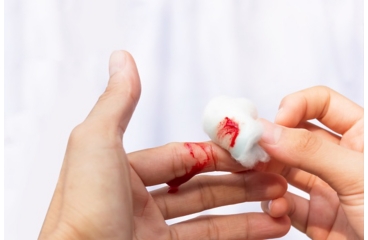
When you are caring for another person or active in team sports or work team activities, there's always a chance that you might be exposed to another person's body fluids, such as blood, saliva, urine, or vomit. This can happen if you're accidentally stuck by a needle or if body fluids splash into an open cut, or into your mouth, nose, or eyes. You can also be exposed if someone coughs or sneezes near your mouth or eyes.

When something like this happens, you may be concerned. The biggest concern is getting a disease. You may need tests over the next weeks or months to check for hepatitis B, hepatitis C, and HIV infection. You may need other tests too. The first tests may not show any infection, but your doctor will need them to compare with later tests.

Be sure to talk with your doctor about follow-up tests. It can take a long time for some diseases to show up on tests.

Follow-up care is a key part of your treatment and safety. Be sure to make and go to all appointments, and contact your doctor if you are having problems. It's also a good idea to know your test results and keep a list of the medicines you take.

How can you care for yourself at home?

  • Clean the area as instructed by your doctor.
  • Be safe with medicines. If your doctor prescribed medicine to protect you from disease, make sure you take all the medicine as directed. Contact your doctor if you think you are having a problem with your medicine.

When should you call for help?

Watch closely for changes in your health, and be sure to contact your doctor if:

  • You have symptoms of infection, such as:
    • Increased pain, swelling, warmth or redness.
    • Red streaks leading from the area.
    • Pus draining from the area.
    • A fever.
  • You have new symptoms, such as:
    • Feeling very tired.
    • A sore throat.
    • Body aches.
    • Headaches.
    • Belly pain.
    • Nausea or vomiting.
    • Diarrhea.
    • Weight loss.
    • Dark urine.
    • Yellow skin and eyes.
    • Sores in your mouth.

Where can you learn more?

Go to http://www.healthwise.net/patientEd

Enter C142 in the search box to learn more about "Exposure to Blood and Body Fluids: Care Instructions".

Current as of: February 27, 2026

Author: Ignite Healthwise, LLC Staff

Clinical Review Board
All Ignite Healthwise, LLC education is reviewed by a team that includes physicians, nurses, advanced practitioners, registered dieticians, and other healthcare professionals.


Current as of: February 27, 2026

Author: Ignite Healthwise, LLC Staff

Clinical Review Board
All Ignite Healthwise, LLC education is reviewed by a team that includes physicians, nurses, advanced practitioners, registered dieticians, and other healthcare professionals.

The Health Encyclopedia contains general health information. Not all treatments or services described are covered benefits for Kaiser Permanente members or offered as services by Kaiser Permanente. For a list of covered benefits, please refer to your Evidence of Coverage or Summary Plan Description. For recommended treatments, please consult with your health care provider.