Overview
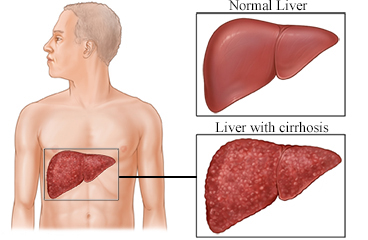
Cirrhosis (say "suh-ROH-sus") occurs when healthy tissue in your liver gets scarred. This keeps the liver from working well. It usually happens after a liver has been inflamed for years.
Cirrhosis is most often caused by alcohol use disorder or hepatitis infection. But there are other causes too. These include medicines and too much fat in the liver. Conditions passed down in families and other disorders can also cause it. In some cases, no cause can be found.
Treatment can't completely fix liver damage. But you may be able to slow or prevent more damage if you don't drink alcohol or take medicines, drugs, or supplements that harm your liver.
Follow-up care is a key part of your treatment and safety. Be sure to make and go to all appointments, and contact your doctor if you are having problems. It's also a good idea to know your test results and keep a list of the medicines you take.
How can you care for yourself at home?
Lifestyle changes may reduce symptoms caused by complications of cirrhosis. These changes may also help to slow liver damage.
Giving up alcohol
If you have cirrhosis, it's important that you stop drinking alcohol completely, even if alcohol wasn't the cause of the cirrhosis. If you don't stop, liver damage may quickly get worse. Tell your doctor if you need help to quit. Counseling, support groups, and sometimes medicines can help.
Changing your diet
Work with your doctor or a dietitian to be sure you eat the right amount of carbohydrate, protein, fat, and sodium (salt). It's very important to choose the best foods for the health of your liver.
If your body is retaining fluid, you may need to limit the amount of sodium you eat. People with liver damage tend to retain sodium. This can make fluid buildup in your belly (ascites) or chest.
If your doctor recommends it, limit how much fluid you drink.
Avoiding harmful medicines
Talk to your doctor before you take any prescription or over-the-counter medicines, vitamins, supplements, or herbal remedies. Medicines that can hurt your liver include acetaminophen (such as Tylenol) and other pain medicines such as aspirin, ibuprofen (such as Advil or Motrin), and naproxen (Aleve). Be careful when taking over-the-counter cold or flu medicines. Many of these medicines have acetaminophen in them. Certain prescription medicines used to treat other conditions may be harmful if you have cirrhosis.
Improving your general health
Taking other steps to improve your overall health may help you manage the symptoms of cirrhosis.
- Don’t smoke, vape, or use other tobacco or nicotine products. If you need help quitting, talk to your doctor about quit programs and medicines. These can increase your chances of quitting for good.
- Take a multivitamin if your doctor recommends it. Don't take one that contains extra iron unless your doctor tells you to. And don't take an iron supplement unless your doctor recommends it.
- Brush and floss your teeth daily. This helps avoid dental problems that could lead to infection. Be gentle when you floss so you don't make your gums bleed.
- Make sure you stay up-to-date on vaccines for.
- Influenza (flu). Get a flu shot every year. People with cirrhosis are at increased risk for serious problems from the flu.
- COVID-19.
- Hepatitis A and hepatitis B.
- Pneumococcus, which causes pneumonia. Ask your doctor how often you should be revaccinated.
- Shingles.
Using complementary and alternative medicines wisely
In general, you should avoid most supplements and herbal remedies. They may make liver disease worse.
Talk to your doctor about whether you should try any alternative treatment.
When should you call for help?
Call 911 anytime you think you may need emergency care. For example, call if:
- You have trouble breathing.
- You vomit blood or what looks like coffee grounds.
Contact your doctor now or seek immediate medical care if:
- You feel very sleepy or confused.
- You have new or worse belly pain.
- You have a fever.
- There is a new or increasing yellow tint to your skin or the whites of your eyes.
- You have any abnormal bleeding, such as:
- Nosebleeds.
- Vaginal bleeding that is different (heavier, more frequent, at a different time of the month) than what you are used to.
- Bloody or black stools, or rectal bleeding.
- Bloody or pink urine.
Watch closely for changes in your health, and be sure to contact your doctor if:
- You have any problems.
- Your belly is getting bigger.
- You are gaining weight.
Where can you learn more?
Go to http://www.healthwise.net/patientEd
Enter M412 in the search box to learn more about "Cirrhosis: Care Instructions".
Current as of: February 27, 2026
Author: Ignite Healthwise, LLC Staff
Clinical Review Board
All Ignite Healthwise, LLC education is reviewed by a team that includes physicians, nurses, advanced practitioners, registered dieticians, and other healthcare professionals.