Metabolic Dysfunction-Associated Steatotic Liver Disease (MASLD): Care Instructions

Skip Navigation

Overview

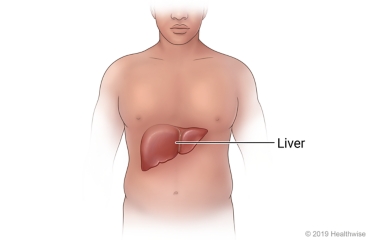
Location of liver in upper right abdomen.

Metabolic dysfunction-associated steatotic liver disease (MASLD) is the name for conditions in which fat builds up in the liver. It used to be called nonalcoholic fatty liver disease (NAFLD). Of those who have this condition:

  • Most have a type called metabolic dysfunction-associated steatotic liver (MASL). These people have fat in their liver, but it doesn't seem to cause damage.
  • Some have a more serious type called metabolic dysfunction-associated steatohepatitis (MASH). The buildup of fat in the liver causes inflammation and damage. Over time, this can cause scarring of the liver, which can lead to cirrhosis and liver failure.

Experts don't really know what causes fat buildup in the liver, but having obesity seems to increase the risk. Most people who have MASLD also have one or more of the health problems that together are called metabolic syndrome. These problems include obesity, high cholesterol, high blood pressure, and insulin resistance or diabetes. But some people have none of these other problems.

Most people who have MASLD have no symptoms. It can be diagnosed with blood tests and imaging tests, such as a CT scan, an ultrasound, or an MRI. A liver biopsy may be done to diagnose scarring or MASH.

Treatment focuses on managing related conditions like diabetes and making lifestyle changes, including losing weight if needed, eating healthy foods, and being more active. A doctor may prescribe medicines for related conditions or to help with weight loss. Weight-loss surgery may be an option for people who have obesity. Treatment may also include stopping the use of medicines that may make symptoms worse. If MASLD progresses to MASH and cirrhosis, a liver transplant may be needed.

Follow-up care is a key part of your treatment and safety. Be sure to make and go to all appointments, and contact your doctor if you are having problems. It's also a good idea to know your test results and keep a list of the medicines you take.

How can you care for yourself at home?

  • Stay at a weight that’s healthy for you. Talk to your doctor if you need help losing weight. Losing even 5% of your body weight can improve your health. Some people can lose weight by eating less and moving more.
  • Manage other health problems. These may include diabetes, high blood pressure, and high cholesterol. If your doctor prescribes medicines, take them exactly as prescribed.
  • Eat healthy foods. This includes vegetables, fruits, nuts, beans, lean meat, fish, and whole grains. Limit things that are not so good for you, like saturated fat, sugar, and salt (sodium).
  • Be as active as you can every day. For many people, walking is a good choice.
  • Avoid alcohol. Alcohol can damage the liver and cause other health problems.
  • Don’t smoke, vape, or use other tobacco or nicotine products. If you need help quitting, talk to your doctor about quit programs and medicines. These can increase your chances of quitting for good.
  • Stay up to date on your vaccines. Having MASLD increases your risk for infections, so talk to your doctor about which vaccines are right for you.

When should you call for help?

Call 911 anytime you think you may need emergency care. For example, call if:

  • You have trouble breathing.
  • You vomit blood or what looks like coffee grounds.

Contact your doctor now or seek immediate medical care if:

  • You feel very sleepy or confused.
  • You have new or worse belly pain.
  • You have a fever.
  • There is a new or increasing yellow tint to your skin or the whites of your eyes.
  • You have any abnormal bleeding, such as:
    • Nosebleeds.
    • Vaginal bleeding that is different (heavier, more frequent, at a different time of the month) than what you are used to.
    • Bloody or black stools, or rectal bleeding.
    • Bloody or pink urine.

Watch closely for changes in your health, and be sure to contact your doctor if:

  • Your belly is getting bigger.
  • You are gaining weight.
  • Your symptoms get worse.

Where can you learn more?

Go to http://www.healthwise.net/patientEd

Enter F761 in the search box to learn more about "Metabolic Dysfunction-Associated Steatotic Liver Disease (MASLD): Care Instructions".

Current as of: October 6, 2025

Author: Ignite Healthwise, LLC Staff

Clinical Review Board
All Ignite Healthwise, LLC education is reviewed by a team that includes physicians, nurses, advanced practitioners, registered dieticians, and other healthcare professionals.


Current as of: October 6, 2025

Author: Ignite Healthwise, LLC Staff

Clinical Review Board
All Ignite Healthwise, LLC education is reviewed by a team that includes physicians, nurses, advanced practitioners, registered dieticians, and other healthcare professionals.

The Health Encyclopedia contains general health information. Not all treatments or services described are covered benefits for Kaiser Permanente members or offered as services by Kaiser Permanente. For a list of covered benefits, please refer to your Evidence of Coverage or Summary Plan Description. For recommended treatments, please consult with your health care provider.